

Nepal’s box office is not “small” anymore. According to Rising Nepal from the last reported year, the Nepali film market grossed over Rs 2.6 billion, and 59 Nepali films alone made about Rs 1.8 billion. That’s real money, and it’s a sign that audiences are coming back. But there’s a catch. The number of cinema halls has dropped sharply, from about 450 to 160, which means every release fights harder for screens and attention.
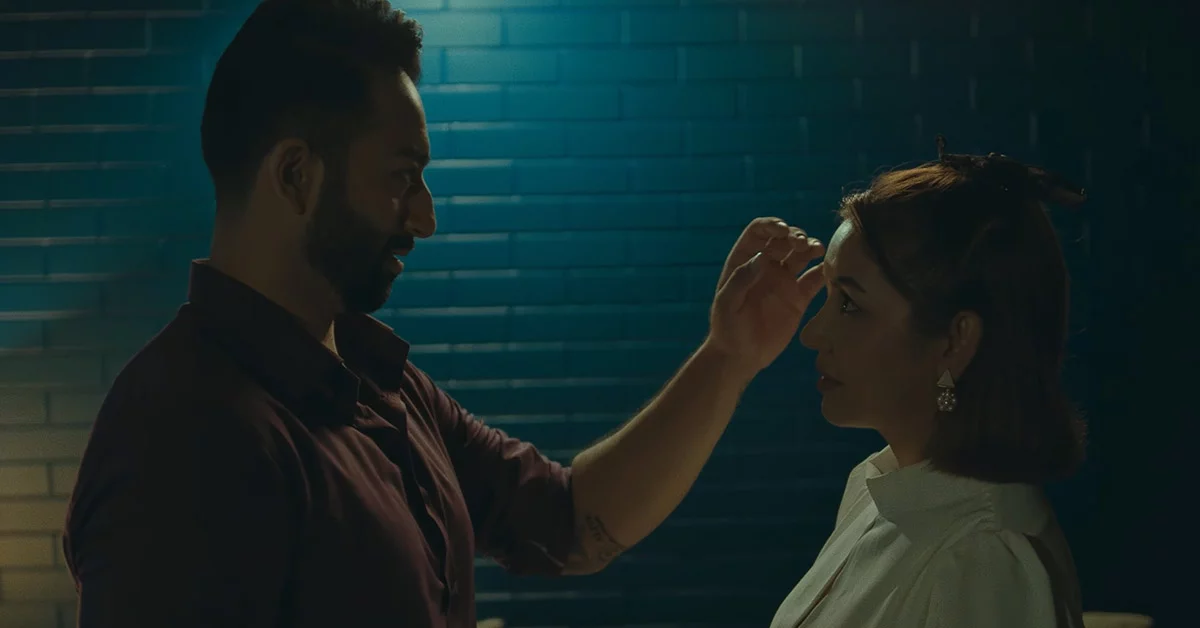
That’s why The Blue Light matters. The Blue Light is a psychological thriller in a market where many releases still play safe. And because The Blue Light is already running in cinema halls, the best way to feel it is to watch it while it still has screens.
Problem: Nepali cinema is growing, But cinema halls are shrinking
A few years ago, it felt normal to say Nepali films struggle against big imports. Now the picture is more mixed. Domestic films have delivered huge peaks, and some titles have broken milestones that would have sounded impossible in older decades.
So what’s the problem if the market is growing?
It’s the infrastructure and the release pressure. The same Rising Nepal report that talks about strong performance also warns that cinema halls have dropped from about 450 to 160. When halls shrink, two things happen.
- Distributors get picky. They want “safe” genres that feel easy to sell.
- Smaller films get squeezed, even when they are good.
This matters for a psychological thriller. A thriller needs time to build word-of-mouth. It often starts slower than a broad comedy. But with fewer screens, the film has less room to “warm up”.
Why psychological thrillers are hard to sell in Nepal
Let’s be honest. Many Nepali viewers still use one simple test when picking a film: “Will I enjoy this with friends and family?” That pushes comedies and social dramas to the front. Thrillers do well too, but mostly the ones that look familiar.
A psychological thriller asks for something slightly different.
- You need patience from the audience.
- You need trust in the filmmaker.
- You need a cinema environment where sound and silence can do their work.
If you watch a psychological thriller on a phone, you lose half the film. You miss the quiet cues. You miss the background sound. You miss the way the lighting changes your mood.
Is this genre “too serious” for Nepali audiences? Not really. The same year-end reporting that praised domestic performance also noted that audiences are opening up to diverse storytelling and multiple genres. So the audience is ready. The marketing just needs to set expectations properly.
This is where The Blue Light’s promotion should be careful. Some viewers see “dark trailer” and assume horror. Check TFN’s official The Blue Light movie page, saying it’s a psychological drama-thriller rather than supernatural horror.
So in simple words, the genre promise should be:
- It’s not about ghosts.
- It’s about the mind.
- It’s about tension that builds, not jump scares that pop.
That explanation works to a point, although there’s another side to it. Nepal also enjoys horror when it feels local and fun. We saw that with recent horror titles performing strongly. So the goal is not to reject horror fans. The goal is to tell them what kind of fear they’re buying a ticket for.
Agitate: Most film promotion still looks the same, And thrillers pay the price
Here’s the frustrating part. Many Nepali film campaigns still follow one template.
- Poster
- Trailer
- A few interviews
- A release date push
- Then a rush for reviews and showtimes
That works fine for star-led films. But a psychological thriller often needs something extra: a clean way to explain why it’s worth your time without spoiling anything.
If the marketing only says “it’s intense” or “it’s different”, people don’t know what they’re walking into. Then they either skip it, or they go in with the wrong expectations.
And because halls are limited, a film can’t afford to confuse audiences during opening days.
This is also where the industry has changed, quietly. We now live in a box office era where reporting is more visible than before. The Film Development Board runs systems aimed at real-time ticketing data and transparency, and it even has an official box office app presence. Producers, distributors, and even casual fans talk about numbers more openly.
That means a film like The Blue Light is not only selling a story. It’s selling confidence. It’s saying, “Trust this genre. Trust this experience. Come watch it before the screens move on.”
If you’re reading this, you’re already halfway there. The next step is simple: go to the official Showtime page and book tickets while it’s running. Book Now
The Solution: What The Blue Light is really offering, Without spoiling it
The Blue Light follows Maya, played by Benisha Hamal, a lonely young woman dealing with addiction and trauma linked to her mother’s mysterious death. She becomes fixated on a flickering blue light outside her window. She meets a mysterious man who seems to understand her, but the relationship begins to affect her sense of reality. The film leans into betrayal and revenge themes, but it stays grounded in the mind, not monsters.
That’s the setup. Now the bigger offer for Nepali cinema. When Nepali cinema tries a psychological thriller, it tests craft and patience.
1) A genre step that needs support
When Nepali cinema grows, it usually happens because a few films prove that audiences will try something new. A psychological thriller is a different lane because it leans on:
- controlled acting that feels real, not loud
- sound and silence, not only music
- visual motifs that repeat and evolve
- audience interpretation, where you connect dots yourself
This kind of film doesn’t rely on one big moment. It relies on pressure that builds. That’s why it often stays in your head after you leave the cinema halls.
2) A theatre-first experience
The showtime page lists the runtime at 1 hour 41 minutes and marks the age rating as Parental Guidance. That runtime is tight. It’s not a slow 3-hour marathon. It’s built to hold tension and keep moving. This matters in cinema halls because audiences make quick decisions. If people hear “slow”, they worry it means boring. A tighter runtime reduces that fear.
3) A cast and crew worth checking properly
The best trust move you can make as a film site is to point readers to official credits. The Film Nepal’s crew page lists B.C. Gatsby as director and writer and shows key credits like cinematography. The practical approach is to treat the official credit pages as the baseline, then note that other sources use slightly different naming. That keeps trust intact, and trust matters for Nepali cinema.
Why The Blue Light feels unsettling, Even without gore
A psychological thriller creates fear through uncertainty. Your brain keeps asking, “What’s real”. You don’t always get clean answers. Because the film stays close to the character’s mind, the tension feels personal.
That’s not enough for a psychological thriller. People want guidance that makes them feel ready. So here’s a simple viewer guide. It stays spoiler-free. It also makes your theatre experience better.
Listen for the quiet parts
Psychological thrillers don’t always “go loud”. They often do the opposite.
When the sound drops, ask yourself one question: what is the film making you expect right now? The answer usually explains why you’re tense.
Then the film gives you either relief or a twist in mood. It’s not always a twist in story. Sometimes it’s just a shift in how you feel.
Track the changes in behaviour, Not the “events”
Many viewers try to solve a psychological thriller like a puzzle. That can be fun. But if you focus only on “what happened”, you miss “what changed”.
Instead, try this:
- watch how Maya’s choices change
- watch how her trust changes
- watch whether she looks certain or unsure
This film focuses on loneliness and fragile connection, which is also how many outlets described the trailer’s mood.
Let the film do its job
This sounds obvious, but it matters. If you keep checking your phone, you break the mood. A psychological thriller needs flow. A hall makes it easier to stay present, and that’s a big reason to watch in cinema halls.
The Blue Light is built for a continuous mood ride. If you give it that attention, you’ll feel why this genre matters.At first, I thought this viewer guide idea might feel too nerdy for Nepal. Then I remembered what happens outside cinema halls after a good film. Nepali cinema audiences love this kind of post-show debate. People stand around and debate. They replay moments. They try to figure out what was real. A psychological thriller fits that habit perfectly.
What the film could change for Nepali cinema, If it holds screens
If the film performs well, it sends a message across Nepali cinema. If Nepali cinema rewards this attempt, more writers will try mind-game stories. It tells producers that audiences will try a psychological thriller if the promise is clear. It tells halls that not every successful weekend needs to be a comedy. It tells new writers and directors that craft can be rewarded.
And if it struggles, the industry might use it as an excuse. People may say, “Nepal doesn’t want thrillers.” That conclusion would be lazy. With fewer cinema halls, timing and show allocation can matter as much as the film itself. This is why first-week support matters more than it used to. A film can be strong and still lose shows if it doesn’t pull quickly.
How to book tickets for The Blue Light, without overthinking it
The Blue Light is already playing in cinema halls, the smartest move is to plan like a local weekend outing. Check the latest showtimes on The Film Nepal’s The Blue Light showtime page, pick a time that gives you travel buffer, and book seats together if you’re going as a group.
If you’re watching a psychological thriller for the first time, choose a slot when you can focus. Late-night shows can be fun, but they also make some people tired, and tired viewers miss the quiet cues. And those quiet cues are half the point of The Blue Light.
If a show looks full, don’t assume the film is gone. In Nepal, halls adjust slots as demand changes, so checking again later can help. The main thing is not to wait too long if you’re curious. With fewer cinema halls, screen time can shift quickly.
This is your reminder again. Book tickets and watch it in a hall while it’s running.
Conclusion
Nepali cinema is in a strange but promising phase. Box office numbers show that audiences will pay for local films when they feel worth it, and official reporting has made the business side more visible. At the same time, fewer halls mean films have less time to build momentum. That’s exactly why genre experiments matter right now.
The Blue Light isn’t just another release. It’s a signal that Nepali films can push into mind-game storytelling and still pull crowds, if we support it. Watch it with attention, in a proper hall, and you’ll understand why people keep talking about it.
If you want the movie while it’s running, 👉Book Now
FAQs About The Blue Light
Is The Blue Light horror or a psychological thriller?
The official film page frames it as a psychological drama-thriller, focused on loneliness, addiction, and reality feeling unstable, rather than supernatural horror.
Why is the flickering blue light important, without spoilers?
In psychological thrillers, repeated objects often work like triggers. The light builds expectation and tension, so you start feeling uneasy before anything “big” happens.
How intense is The Blue Light for a PG rating?
It’s rated Parental Guidance and deals with heavy themes like trauma and addiction. It’s not about gore, but it can feel mentally intense, so sensitive viewers should keep that in mind.
What should I pay attention to while watching?
Watch the light timing, listen for silence and sound shifts, and track small changes in behaviour. That’s where psychological thrillers do most of their work.
Where can I book Nepali movie tickets?
Use the official Showtime page on TFN to check availability and book.


No comments yet. Be the first to comment!
Loading comments...