

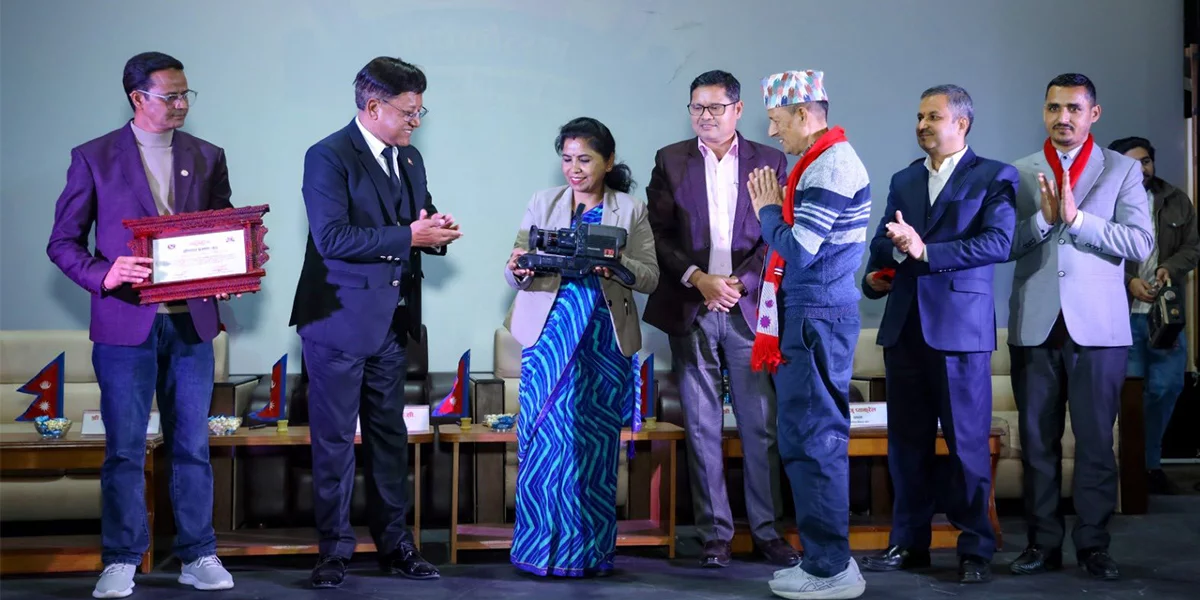
In a significant move to safeguard the heritage of the Nepali silver screen, the Film Development Board (FDB) officially inaugurated the Nepal Film Museum on Tuesday. The initiative aims to collect and preserve the history, art, and evolving technology of Nepali cinema for future generations.
The museum was inaugurated by Laxmi Kumari Basnet, Secretary of the Ministry of Communication and Information Technology, at the Board’s auditorium. FDB Chairman Dinesh DC described the project as a long-held dream and a vital mission to "save the soul of Nepali films."
A Shared Heritage: Historic Donations
The highlight of the launch was the overwhelming support from the film community. Various production houses, journalists, and veteran technicians handed over rare artifacts that tell the story of Nepal's cinematic journey:
| Contributor | Items Donated |
|---|---|
| Music Nepal (Uttam Thapa) | 152 Film Posters and Artworks |
| Khumraj Paudel (Fan/Collector) | 704 Original Film Posters |
| Kantipur Radio | 344 Audio Cassettes and CDs |
| Man Bahadur Thapa (Editor) | 1980s Panasonic F10 Camera, Sony Monitors, and Audio Mixers |
| Purushottam Pradhan (Cinematographer) | Original Scripts from 63 Nepali Films |
| Highlights Nepal | 202 Film Artworks |
| Mandil Shrestha & Gauri Shankar Dhuju | Historic Cameras and Tripods |
| Cine Focus (Rajat Budhathoki) | RED Digital Camera |
Other contributors included OSR Digital, Ideal Designers, and Page 3 Magazine, who donated posters from Nepal Bhasa films and various digital artworks.
More Than Just a Storage Space
Chairman Dinesh DC emphasized that this is just the beginning. The Board plans to:
Digital Archiving: Convert old tapes and documents into digital formats to prevent decay.
Research Center: Develop the museum into a study hub for students, historians, and filmmakers.
National Pride: Expand the facility into a project of national significance.
Actually, it’s quite moving to see the industry come together like this. For years, many of these posters and cameras were gathering dust in private garages or fading away in humid storerooms. By bringing them under one roof, the Board is ensuring that the struggle of early filmmakers—like those who worked on Aama or Maitighar—isn't forgotten.
Or at least, it gives young film students a chance to see the heavy, manual gear their predecessors used before everything turned into a smartphone app.


No comments yet. Be the first to comment!
Loading comments...