

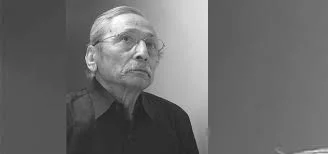
KATHMANDU – While the history of Nepali cinema often celebrates its first heroes and heroines, a significant chapter belongs to the man who first stood against them on the silver screen. Uttam Prasad Karmacharya, widely known as Uttam Nepali, holds the record as the first villain in Nepali film history.
He earned this distinction in Nepal's debut feature film, "Aama" (Mother), which was released on October 1, 1965 (Asoj 15, 2022 BS). Directed by Hira Singh Khatri, the film laid the foundation for the industry, and Uttam Nepali’s portrayal of a selfish, anti-social character set the precedent for all antagonists to follow.
The Man Behind the Mask
Interestingly, the man who played the first villain was far from a "bad guy" in real life. Uttam Nepali was a legendary figure in Nepali art and culture:
The Pioneer Artist: He is primarily celebrated as a pioneer of abstract art in Nepal. His modernist paintings are part of prestigious collections worldwide.
The Multi-Talented Star: Beyond acting, he was an accomplished writer, poet, and lyricist.
The Character: In Aama, he didn't play a typical violent villain seen in modern action movies. Instead, he portrayed a "soft villain"—a character whose ego and personal interests created the central conflict against the film's protagonist, played by Shiva Shankar Manandhar.
Pioneers of "Aama" (1965)
| Role | Artist |
|---|---|
| First Villain | Uttam Nepali (Uttam Prasad Karmacharya) |
| First Hero | Shiva Shankar Manandhar |
| First Heroine | Bhuwan Chand |
| Supporting Cast | Chaitya Devi, Basundhara Bhusal |
| Director | Hira Singh Khatri |
A Lasting Legacy
Uttam Nepali passed away in July 2021 at the age of 84, leaving behind a legacy that bridges the gap between fine arts and cinema. While he only appeared in a few films (including Hijo Aaja Bholi), his contribution to the birth of the "villain" archetype in Nepal remains a fascinating piece of trivia for film historians.
Actually, it’s quite a contrast to think that the same hands that painted delicate abstract masterpieces were the ones "shaking up" the plot in Nepal’s first movie. It just goes to show that the pioneers of our industry were true polymaths who weren't afraid to get their hands dirty—whether with paint or a scripts!


No comments yet. Be the first to comment!
Loading comments...