

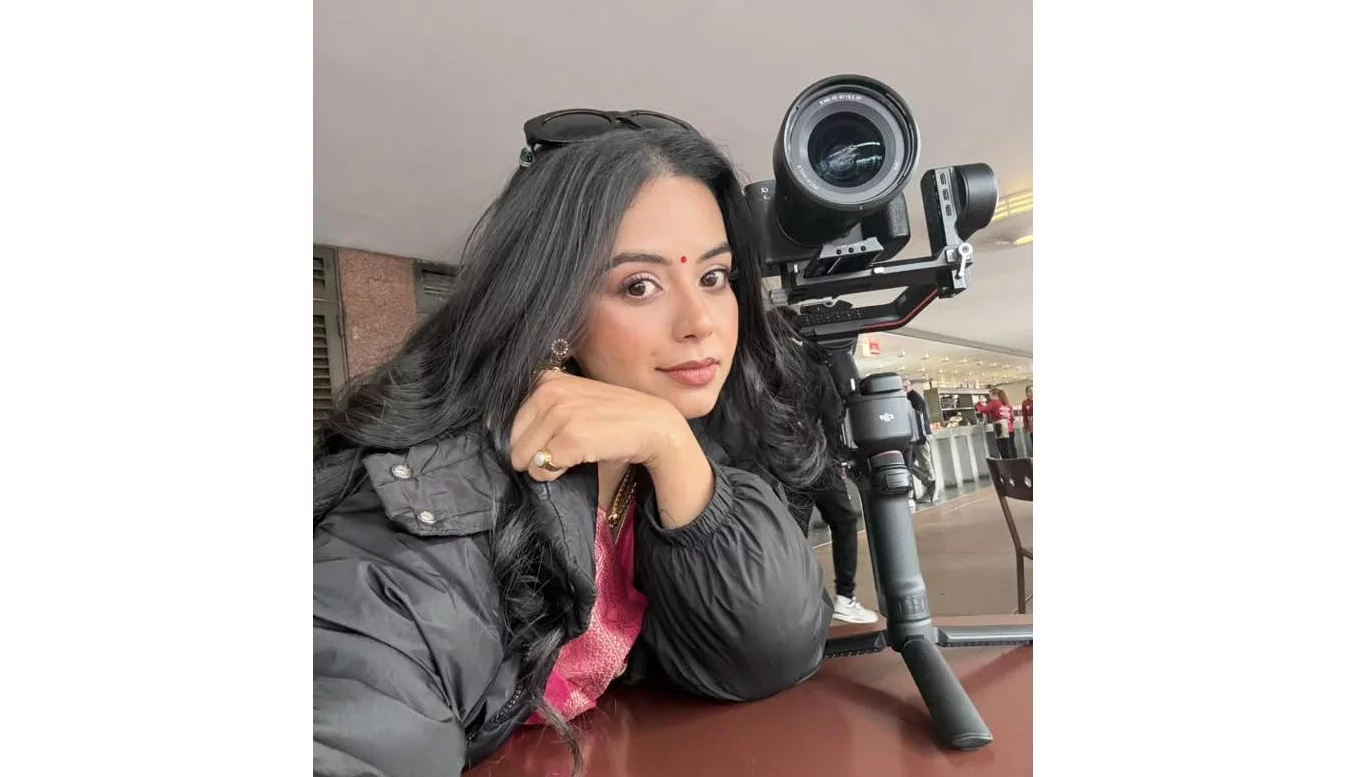
Kathmandu — As Nepal prepares to welcome a new government following the recently concluded elections, actress Neeta Dhungana has used her social media platform to raise a pressing concern — the growing menace of fake accounts, hate speech, and online harassment that she says is pushing people toward depression and even suicide.
Like many artists in Nepal who have been closely following the political landscape — some of whom even contested the elections directly or through proportional representation — Dhungana has been vocal about the country's changing political climate. Through regular posts and status updates, she has been sharing her thoughts on the election results and what she hopes the incoming leadership will prioritize.
In a lengthy post that has drawn significant attention, the actress called on the new government to address the rising tide of cyber abuse on social media platforms.
"When the new government is formed, I hope attention is also given to social media," she wrote. "Mental harassment through fake IDs — involving abuse, defamation, and hate speech — is genuinely on the rise. These incidents have pushed individuals into depression, frustration, and even suicide."
Dhungana also put forward a concrete policy suggestion that has been gaining traction in public discourse — mandatory identity verification for social media account creation. She proposed that users be required to verify their identity using a phone number, citizenship certificate, or another official government-issued document before being allowed to open an account.
"If such a system is put in place, it could significantly reduce the misuse of fake accounts," she explained. "It would make people more accountable, reduce cyber abuse, and make it easier to identify those who engage in harmful behavior online."
Her suggestion reflects a broader conversation happening across Nepal and many other countries about how to make digital spaces safer and more responsible. Experts and advocates alike have long argued that anonymity, while valuable in some contexts, is frequently exploited to target individuals — particularly women and public figures — with impunity.
Whether Nepal's new government will take Dhungana's call seriously remains to be seen. But her voice, amplified by her public platform, adds meaningful momentum to a conversation that policymakers can no longer afford to ignore.


No comments yet. Be the first to comment!
Loading comments...